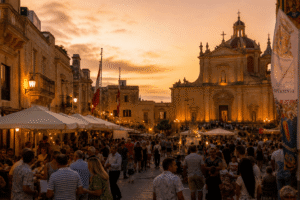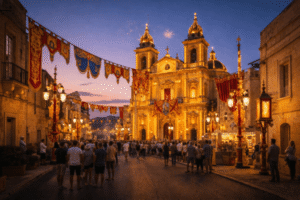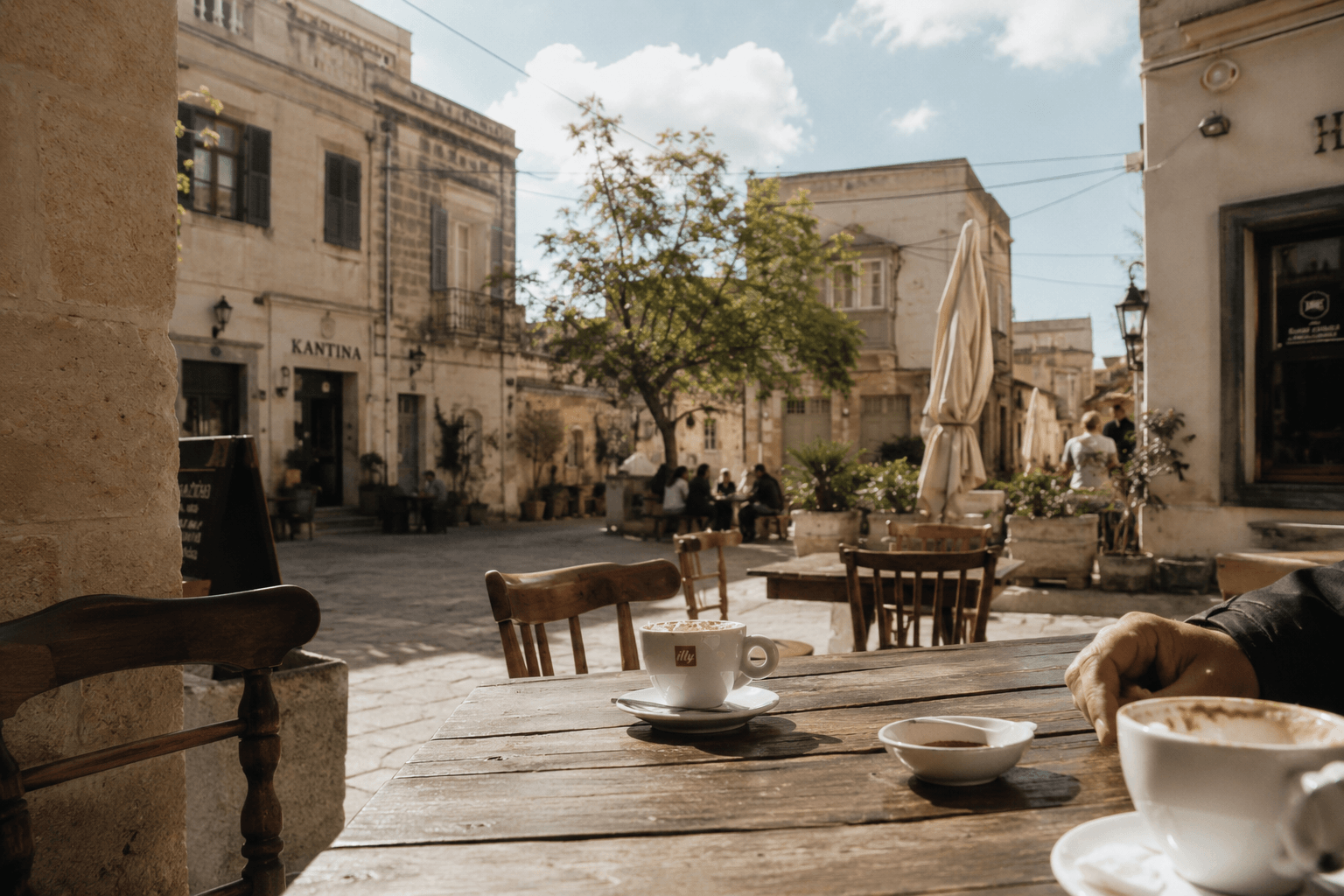
Gozo’s café culture is slow and local. Small terraces, village squares, and quiet seafronts shape how coffee is enjoyed here. It is less about specialty trends, more about rhythm and place.
Gozo’s cafés are simple, often family-run spaces where coffee is part of daily life. Expect strong espresso, soft pastries, and unhurried mornings. The setting matters as much as the cup.
Quick Picks
- Victoria (Rabat), Gozo’s capital – best variety
- Marsalforn – relaxed seafront cafés
- Xlendi – scenic but quieter in winter
- Nadur – local, less touristy spots
Editorial Introduction
Coffee in Gozo is not rushed. People sit longer. Conversations stretch. A café is often part of a village routine, not a destination.
Some places face the sea. Others sit in quiet squares. The difference shapes the experience.
TL;DR
- Cafés in Gozo are simple and local
- Victoria (Rabat) offers the most choice
- Seafront cafés are best in spring and autumn
The best cafés in Gozo are defined more by atmosphere and location than by coffee trends or design.
Where to Find the Best Cafés in Gozo
Victoria (Rabat), Gozo’s capital
The centre of café life on the island.
Small streets around Independence Square fill with outdoor tables. Mornings are calm. Afternoons bring a gentle flow of locals.
Here, you will find:
- classic espresso bars
- pastry counters
- shaded terraces
It pairs naturally with a walk through the Cittadella.
Cafes in Marsalforn
A casual, open seafront.
Cafés here stretch along the promenade. The mood depends on season.
- Spring – bright and breezy
- Summer – busy, especially evenings
- Winter – quiet, almost still
Good for slow morning coffee by the water.
Cafes in Xlendi
More enclosed, more atmospheric.
Xlendi feels calmer than Marsalforn. Cafés sit close to the water, often in tighter spaces.
Best in:
- early morning
- late afternoon
Less comfortable at midday in peak summer.
Cafes in Nadur
A more local rhythm.
In Nadur, cafés feel less curated.
You sit among residents. Conversations happen in Maltese. Service is slower, but more personal.
Is Gozo a Good Place for Café Culture?
Yes, but in a quiet way.
Gozo does not follow big-city coffee trends. There are few specialty cafés. But there is consistency, simplicity, and atmosphere.
Coffee here is about place, not performance.
Practical Café Tips
- Coffee price: €1.20 – €2.50 (espresso)
- Cappuccino common in mornings only
- Many cafés close mid-afternoon outside summer
- Table service varies by village
Seasonal Rhythm
Spring (March–May)
Best time for cafés.
Mild temperatures (15–22°C). Outdoor seating is comfortable all day.
Summer (June–September)
Hot and bright.
Morning and evening are ideal. Midday can feel too exposed, especially near the sea.
Autumn (October–November)
Soft light returns.
Fewer crowds. Seafront cafés become calm again.
Winter (December–February)
Quiet and local.
Some cafés close, especially in Xlendi and Marsalforn. Victoria remains active.
Café Culture in Context
Gozo’s café scene reflects its pace.
There is less emphasis on design, more on continuity. Many cafés have been open for years. Some feel unchanged.
This connects naturally with activities like a slow Gozo coastal walk or exploring village squares.
Planning-wise, cafés fit easily into a relaxed Gozo itinerary rather than structured dining.
Atmosphere
Mornings are the defining moment. Chairs are set out slowly. Light reflects off limestone. The sound is low. Coffee arrives without urgency.
If you spend time in Gozo, cafés become part of your rhythm. Not highlights, but pauses between places.
FAQs
Are there good cafés in Gozo?
Yes. Most local cafes and bars in Gozo are simple rather than specialty coffee shops.
Where is the best area for cafés in Gozo?
Victoria (Rabat) offers the most choice. Marsalforn and Xlendi offer scenic settings and great sea views.
Are the Gozo cafés open year-round?
Some cafes and bars in Gozo close in winter, especially in coastal areas. The capital of Gozo Victoria stays active.
Is coffee expensive in Gozo?
No coffe is not expensive in Malta and Gozo. Espresso and Capuccino are usually between €1.20 and €2.50.