Gozo is not the first place most people think of when searching for a digital nomad destination.
The island has no famous startup scene. There are few coworking hubs. Networking events are rare compared with Lisbon, Barcelona or Malta’s larger urban areas.
Yet many remote workers who arrive for a short stay end up extending their visit. The reason is simple.
Gozo offers something increasingly difficult to find in Europe: space, quiet and a slower rhythm of life.
Reliable internet, year round sunshine and lower living costs than many Mediterranean destinations make remote work practical. The atmosphere makes it enjoyable.
For freelancers, consultants, developers, writers and online business owners, Gozo can feel less like a temporary base and more like a place to settle into a routine.
TL;DR
- Gozo offers reliable fibre internet across most villages
- Victoria is the best base for remote workers
- Monthly living costs typically range from €1,400 to €2,200
- The Malta Nomad Residence Permit allows eligible non EU citizens to live in Gozo
- Coworking spaces exist but most people work from home
- Winter, spring and autumn are ideal for longer stays
- Gozo suits independent workers more than community focused digital nomads
Why Digital Nomads Choose Gozo Instead of Malta
Most remote workers initially look at Malta. The island offers international connections, established expat communities and a growing number of coworking spaces.
Gozo delivers a different experience. Life moves more slowly here. Villages remain at the centre of daily life. Traffic is limited. Nature is always close.
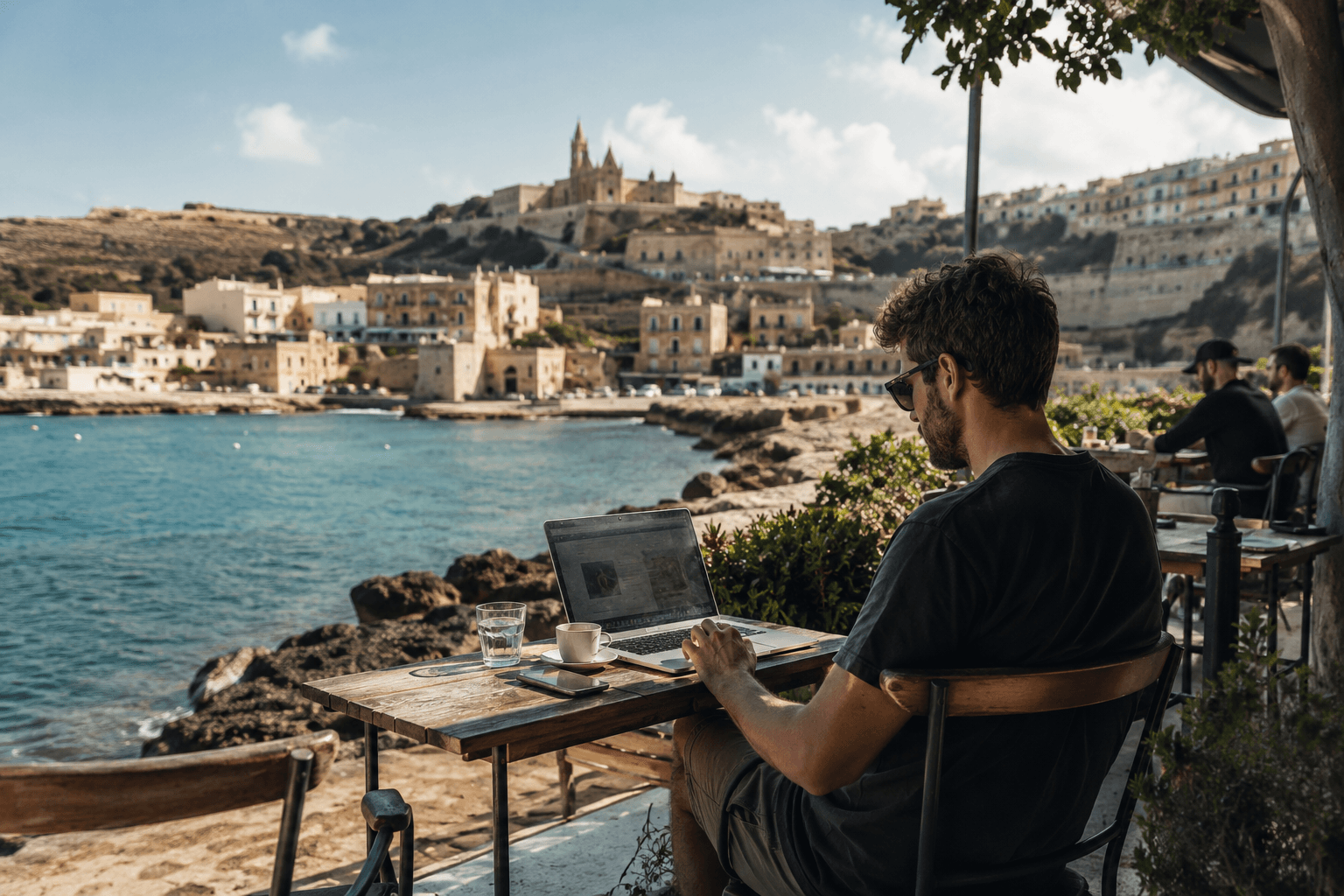
The difference becomes clear after a few weeks.Instead of planning your day around commuting, you can walk to a café, take a break by the sea or finish work with a countryside walk.
Many people discover they are more productive simply because there are fewer distractions.
| Gozo | Malta |
|---|---|
| Lower rental costs | Higher rental costs |
| Quieter atmosphere | Busier urban lifestyle |
| Less traffic | More traffic |
| Village centred life | City centred life |
| Easier access to nature | More nightlife and events |
Neither option is better. They simply suit different lifestyles.
What Remote Work in Gozo Actually Feels Like
Remote work in Gozo is shaped by routine rather than convenience. Mornings often begin quietly. Cafés open. Small grocery shops receive their deliveries. Church bells carry across the valleys.
Victoria feels active but rarely rushed. Outside the capital, villages such as Xagħra, Nadur and Għarb maintain a pace that changes little throughout the year.
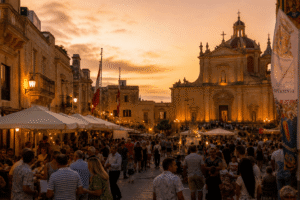
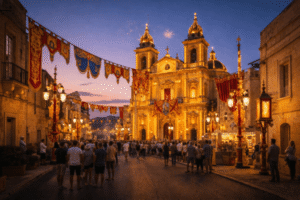
Summer brings visitors and village festas. Winter feels entirely different. The island becomes quieter, more local and often more productive.
For many remote workers, that seasonal rhythm becomes part of the appeal. There is space to focus. There is also space to switch off.
Internet in Gozo: Speeds, Reliability and Mobile Coverage
Reliable internet is one of the most common concerns for anyone considering remote work in Gozo. Fortunately, connectivity is rarely a problem.
Fibre broadband is available across most populated areas of the island, including Victoria, Xagħra, Nadur, Xewkija, Marsalforn and Għarb.
Typical internet performance in Gozo in 2026 includes:
| Connection Type | Typical Speed |
| Fibre Broadband | 300 Mbps to 1 Gbps |
| Standard Broadband | 100 Mbps to 300 Mbps |
| 5G Mobile Internet | 100 Mbps to 600 Mbps |
Video meetings, cloud based work and large file transfers are generally straightforward. The quality of the property itself often matters more than the village.
A recently renovated apartment may have excellent connectivity, while an older farmhouse could require additional checks. Before signing a long term rental agreement, ask for a recent speed test from the owner.
Many digital nomads also keep a local SIM card as a backup connection.
Coworking Spaces in Gozo for Remote Workers
Gozo is not a traditional coworking destination.
While several flexible workspaces and serviced offices operate around Victoria, the island lacks the large coworking communities found elsewhere in Europe.
Most remote workers choose a dedicated workspace within their accommodation. Laptop friendly cafés can be found in Victoria and some coastal areas, although they are generally designed for customers rather than all day work sessions.
Typical Gozo workspace costs include:
| Workspace Type | Typical Cost |
| Café Workspace | Coffee Purchase |
| Day Pass | €15 to €25 |
| Monthly Membership | €120 to €250 |
| Private Office | From €300 |
For longer stays, accommodation with a proper desk and fibre internet usually provides the most comfortable solution.
Cost of Living in Gozo for Digital Nomads
Gozo remains one of the more affordable Mediterranean islands for remote workers.Rental prices have increased in recent years but still compare favourably with many European cities and popular digital nomad destinations.
Average monthly costs during 2026 include:
| Expense | Typical Monthly Cost |
| Studio Apartment | €650 to €900 |
| One Bedroom Apartment | €850 to €1,250 |
| Utilities | €70 to €140 |
| Fibre Internet | €30 to €45 |
| Groceries | €250 to €450 |
| Gym Membership | €30 to €60 |
| Coworking Membership | €120 to €250 |
A realistic monthly budget for a single remote worker typically falls between €1,400 and €2,200. Rent remains the largest variable.
Coastal locations such as Xlendi and Marsalforn usually command higher prices during summer, while inland villages often offer better value. Long term winter rentals provide some of the best opportunities for savings.
Best Places to Stay in Gozo for Digital Nomads
Choosing the right village can significantly influence your experience.
Victoria
Victoria is the most practical base for remote work.
Supermarkets, pharmacies, cafés, banks and transport connections are concentrated here.
Internet infrastructure is generally excellent and daily errands are simple.
Xagħra
Xagħra combines convenience with village atmosphere.
The location offers easy access to Victoria while maintaining a quieter residential feel.
Many long stay visitors consider it one of the most balanced places to live in Gozo.
Nadur
Nadur offers space, views and a slower pace.
The village overlooks the Gozo Channel and contains a mix of traditional houses and modern apartments.
It is particularly popular with people planning longer stays.
Marsalforn
Marsalforn appeals to those who enjoy living near the sea.
The waterfront atmosphere changes dramatically between summer and winter, offering two very different experiences.
Xlendi
Xlendi remains one of the island’s most attractive bays.
Accommodation can be slightly more expensive, but the scenery and coastal lifestyle continue to attract long stay visitors.
Malta Nomad Residence Permit for Remote Workers in Gozo
For non EU citizens, Malta offers a dedicated residency programme for remote workers. The Malta Nomad Residence Permit allows eligible applicants to live in Malta while working remotely for employers or clients based outside the country.
Successful applicants may live anywhere within the Maltese Islands, including Gozo.
Requirements generally include:
- Proof of remote employment or self employment
- Evidence of sufficient income
- Private health insurance
- Accommodation in Malta or Gozo
- Valid travel documents
The programme has become increasingly popular among remote workers looking for a European base with English as an official language and reliable infrastructure.
Living in Gozo Throughout the Year
The island changes noticeably with the seasons.
Winter offers lower rental prices, fewer visitors and a strong local atmosphere.
Spring brings comfortable temperatures and quieter beaches.
Summer introduces village festas, busier coastal areas and higher accommodation costs.
Autumn combines warm sea temperatures with fewer crowds and often provides the best balance for long stays.
Understanding these seasonal differences helps set realistic expectations before relocating.
Is Gozo a Good Place for Digital Nomads?
Gozo is not designed around digital nomads. That may be its greatest strength. The island rewards people who enjoy independence, routine and quieter surroundings.
Writers, developers, consultants, designers and freelancers often adapt particularly well. Those seeking constant networking opportunities or a large remote work community may prefer Malta.
For everyone else, Gozo offers a rare opportunity to work remotely without feeling permanently connected to the rush of modern life.
FAQ: Digital Nomad Guide to Gozo
Is Gozo good for digital nomads?
Yes. Gozo is well suited to digital nomads who value reliable internet, a slower pace of life and lower living costs than many European destinations. While the island lacks a large coworking culture, it offers excellent conditions for focused remote work and long term stays.
Is Gozo cheaper than Malta?
In most cases, yes. Rent, dining and everyday expenses are often lower in Gozo than in many parts of Malta. The difference is most noticeable for long term accommodation, particularly outside the busy summer season.
How fast is internet in Gozo?
Most populated areas have access to fibre broadband with speeds ranging from 300 Mbps to 1 Gbps. Mobile coverage is also strong across the island, making Gozo suitable for video meetings, cloud based work and other remote work requirements.
Does Gozo have coworking spaces?
Yes, although the selection is limited. Most coworking and serviced office options are located around Victoria. Many remote workers choose accommodation with a dedicated workspace and use cafés occasionally rather than relying on coworking memberships.
Can digital nomads live in Gozo year round?
Yes. Many people choose to stay for several months or even permanently. Winter in Gozo offers quieter surroundings and lower accommodation costs, while spring and autumn provide an excellent balance between weather, local life and affordability.
Which village is best for remote work in Gozo?
Victoria is generally the most practical option because it offers the strongest infrastructure and services. Xagħra is popular for its balance of convenience and atmosphere, while Nadur appeals to those seeking a quieter environment.
Can I use Malta’s Nomad Residence Permit to live in Gozo?
Yes. The permit allows successful applicants to live anywhere within the Maltese Islands. Many remote workers choose Gozo because of its calmer lifestyle and lower living costs compared with Malta.
What monthly budget should digital nomads expect in Gozo?
A single remote worker typically spends between €1,400 and €2,200 per month depending on accommodation, dining habits and lifestyle choices. Rent is usually the largest expense and varies significantly by season and location.