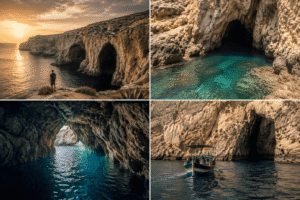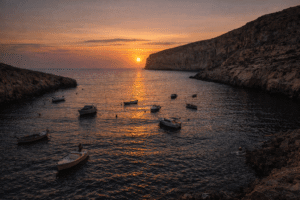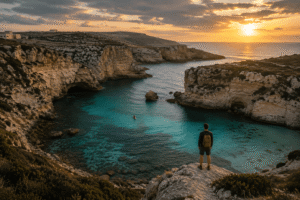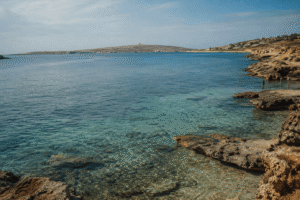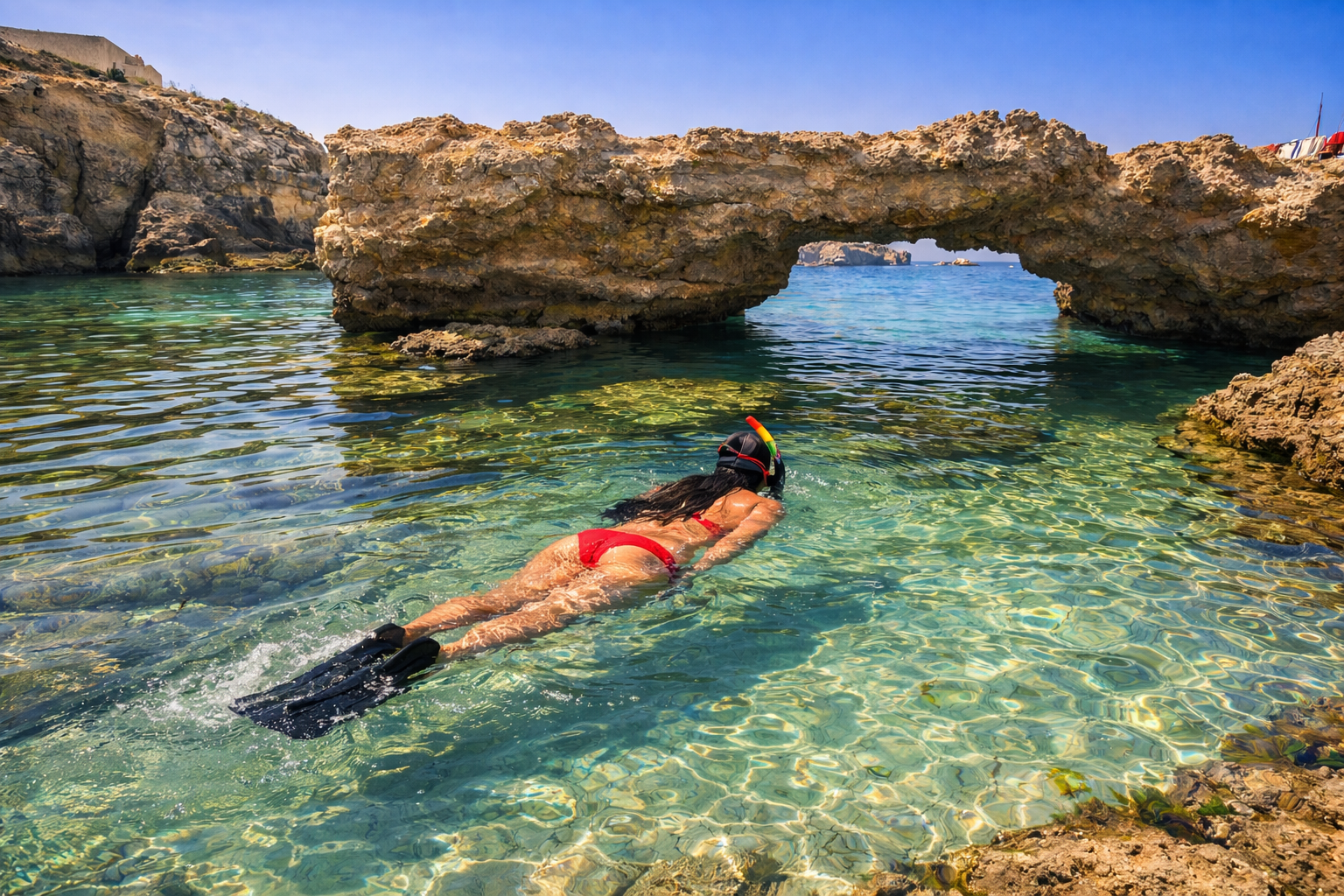
Snorkelling in Gozo begins close to shore.
There is no heavy equipment, no briefing boards, no descent lines — just a quiet entry from rock or sand into water that often reveals its clarity before you are fully submerged. The island’s limestone coastline, so dramatic above sea level, continues beneath it in shelves, arches and shallow drop-offs ideal for surface exploration.
Unlike coral destinations built on colour density, snorkelling in Gozo is defined by structure, light and geological form. The reward is not spectacle — it is clarity. On calm days, visibility frequently exceeds 20 metres, turning even a simple swim into a study of texture and depth.
For travellers who want access to Mediterranean marine life without certification or dive logistics, Gozo offers one of the most accessible snorkelling landscapes in southern Europe.
Why Snorkelling in Gozo Works So Well
Gozo, the quieter sister island of Malta, offers a more natural coastline with fewer crowds and cleaner underwater conditions.
Key characteristics:
- Visibility: often 15–30 metres
- Water temperature:
- May–June: ~20–23°C
- July–October: ~24–28°C
- Sea conditions: generally calm in summer
- Entry points: mostly rocky, some sandy
The lack of heavy boat traffic in many areas contributes to a more relaxed snorkelling experience.
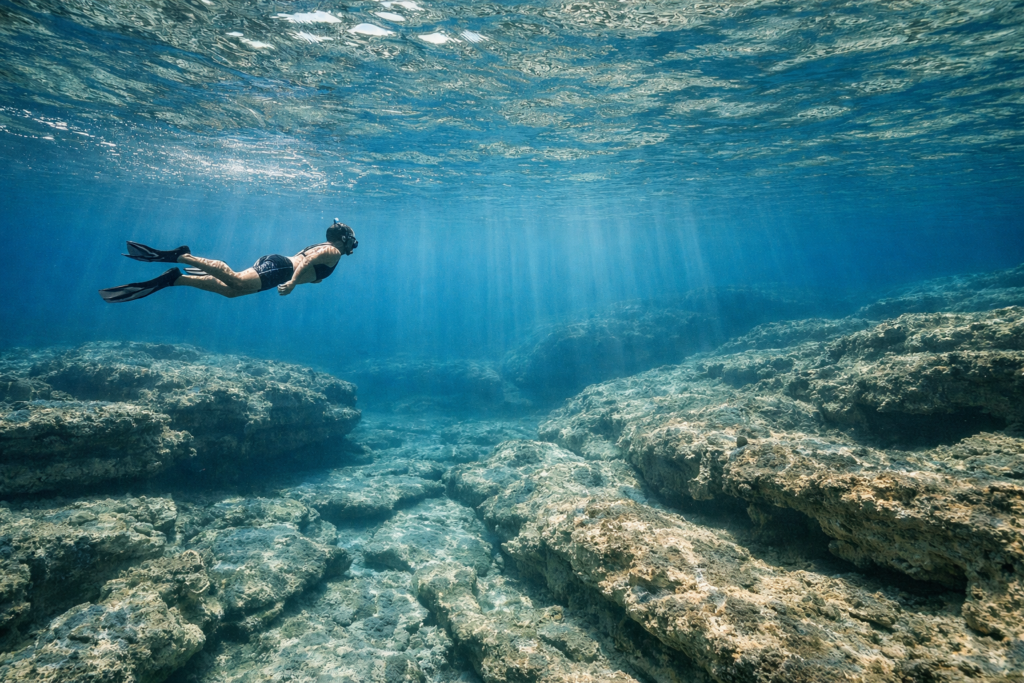
This makes snorkelling in Gozo suitable for confident swimmers, casual explorers and families with older children.
Best snorkelling spots in Gozo
Blue Hole, Dwejra
Known globally for diving, the Blue Hole at Dwejra Bay in Gozo is also a compelling snorkelling site in calm conditions.
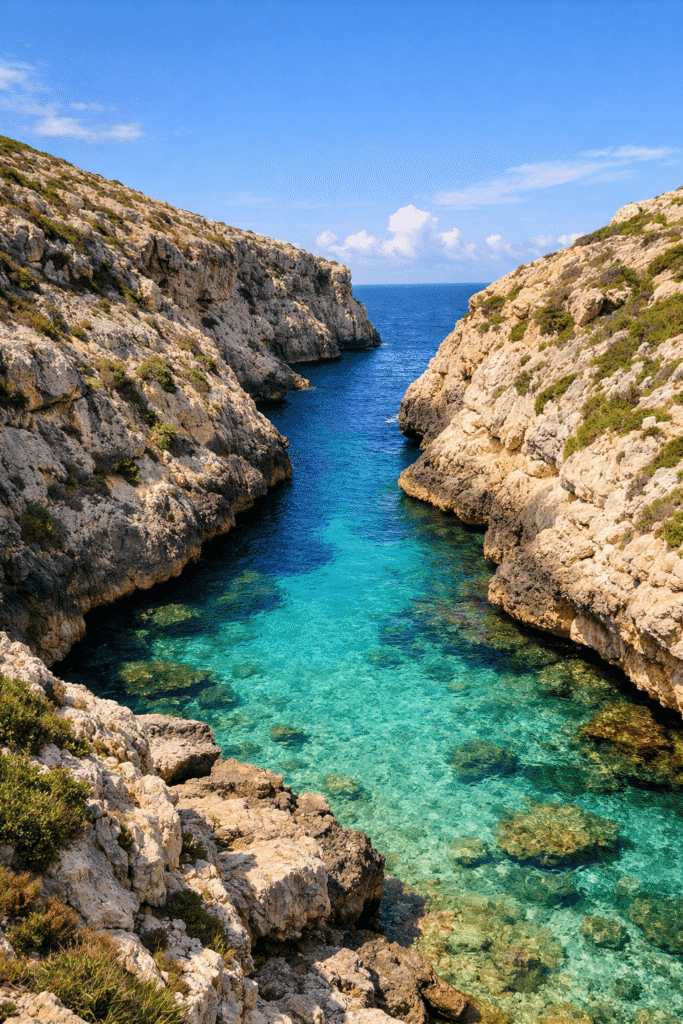
Entering from the natural rock pool, snorkellers can explore the shallow perimeter before peering into the deeper vertical shaft. Light refracts dramatically along the limestone edges, and small fish congregate in crevices near the surface.
Conditions must be calm here — this is an exposed western coastline.
Inland Sea, Dwejra
The Inland Sea offers a more sheltered alternative.
The lagoon itself is shallow and accessible, making it ideal for relaxed snorkelling. Confident swimmers can approach the entrance of the tunnel that connects to open sea, where visibility often increases and marine life becomes more active along the rocky walls.
It is one of the most visually varied snorkelling experiences in Gozo.
Xwejni Bay
Xwejni Bay combines salt pans, open coastline and accessible entry points.
The rocky seabed supports small reef fish, sea urchins and occasional octopus sightings. The clarity here is often excellent, particularly in summer, and the gradual slope makes it suitable for extended surface swims.
Hondoq ir-Rummien
Overlooking Comino, Hondoq ir-Rummien is one of Gozo’s most popular snorkelling beaches.
The mix of sand and rock creates habitat diversity, attracting bream, wrasse and small shoals of fish near submerged stones. On calm mornings, visibility can feel almost glass-like.
Its accessibility makes it one of the best snorkelling spots in Gozo for families.
Ramla Bay (at the edges)
While the beach of Ramla Bay is known for its red sand, snorkelling is best near the rocky edges rather than the central sandy area.
Along the flanks, submerged rocks attract marine life and offer more visual interest than the open seabed.
What Marine Life Can You See While Snorkelling in Gozo?
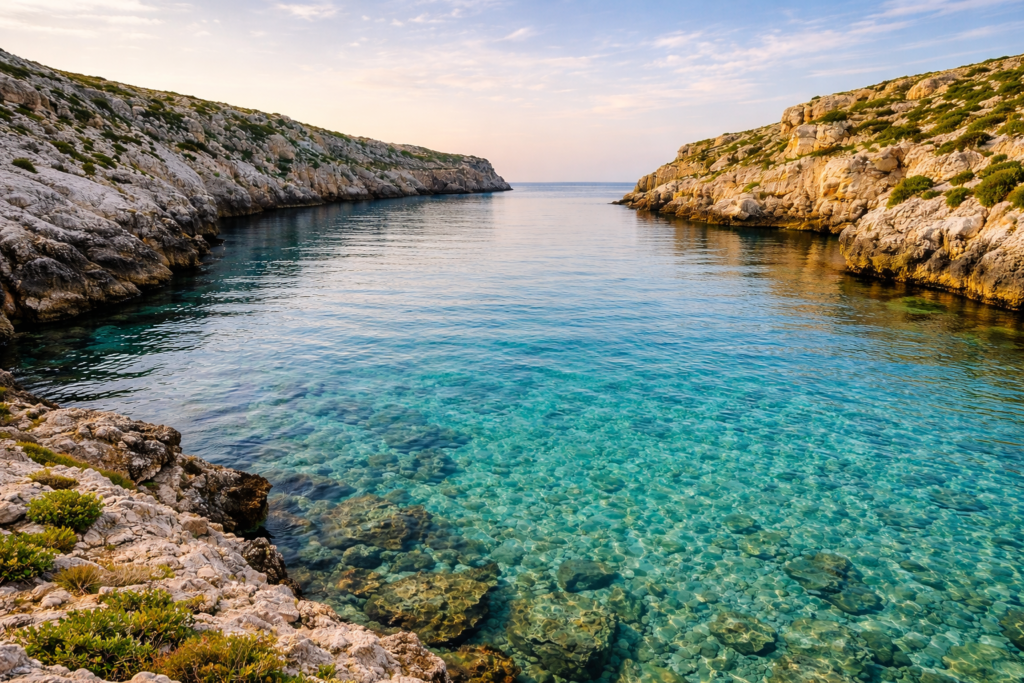
Snorkelling in Gozo reveals classic Mediterranean species rather than tropical abundance.
Expect:
- Bream and wrasse
- Damselfish
- Sea urchins along rocky shelves
- Occasional octopus near crevices
- Small schools moving across reef edges
Larger pelagic sightings are rare from the surface, but clarity often compensates for scale.
The defining feature is not density — it is the way light interacts with limestone beneath you.
When Is the Best Time for Snorkelling in Gozo?
Snorkelling in Gozo is possible from late spring through autumn, when water temperatures range approximately from 20°C to 26°C.
July through September offers the warmest water and typically the calmest sea conditions.
Early summer and early autumn often provide the best balance of warmth and reduced crowds.
Winter is less suitable for casual snorkelling due to cooler water and stronger winds, though visibility can remain high.
Snorkelling in Malta vs Gozo
When comparing snorkelling in Malta vs Gozo, the difference is similar to diving in Gozo, Malta.
Malta offers more urban-access beaches and larger coastal infrastructure, while Gozo feels quieter and more natural.
Snorkelling in Gozo is often defined by limestone formations and less crowded entry points. For travellers prioritising atmosphere and clarity over convenience, Gozo tends to feel more immersive.
Is snorkelling in Gozo safe?
Generally, yes — but conditions vary by location.
Consider:
- Wind direction (north winds affect many bays)
- Entry points (rocks can be slippery)
- Boat traffic in popular areas
Calmer bays like Hondoq are more suitable for beginners.
Do You Need Equipment or a Guide?
Most snorkelling in Gozo is self-guided.
Basic gear — mask, snorkel and fins — is sufficient for most locations. Equipment can be rented locally during peak season.
Guided boat snorkelling tours are available, particularly around Dwejra and towards Comino, offering access to less accessible coastal formations.
For confident swimmers, however, Gozo’s shoreline provides ample independent exploration.
Equipment and practical tips
- Mask and snorkel are usually sufficient
- Fins help with rocky entries
- Water shoes recommended
- Early morning → best visibility
Is snorkelling in Gozo worth it?
Snorkelling in Gozo is less about tropical abundance and more about calm, clear Mediterranean water, geological formations, and quiet coastal environments — making it especially appealing for relaxed, scenic exploration.
Based on local observation. Sea conditions can vary.
Frequently Asked Questions
Is Gozo good for snorkelling?
Yes. Snorkelling in Gozo is popular due to clear Mediterranean water, limestone formations and accessible shoreline entry points. Many coves provide calm conditions during summer, making it suitable for confident swimmers and families.
What are the best snorkelling spots in Gozo?
The best snorkelling spots in Gozo include Blue Hole (in calm weather), Inland Sea, Xwejni Bay, Hondoq ir-Rummien and the rocky edges of Ramla Bay. Conditions depend on wind direction, so sheltered coasts are preferred.
When is the best time to snorkel in Gozo?
The best time for snorkelling in Gozo, Malta is between June and September when water temperatures reach 22–26°C and seas are typically calmer. Early summer and early autumn offer fewer crowds.
Is snorkelling better in Malta or Gozo?
Snorkelling in Gozo is often quieter and more geological, while Malta offers more urban beaches and facilities. Both islands provide strong visibility, but Gozo tends to feel less crowded.