Why Is Gozo Famous for Scuba Diving?
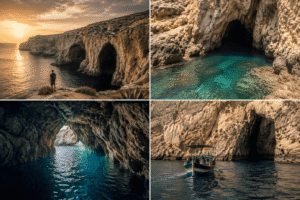
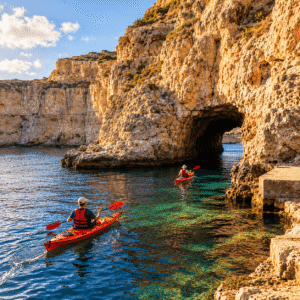
Gozo is one of the leading scuba diving destinations in the Mediterranean. Divers visit the island for its clear water, dramatic limestone formations, shore access dive sites, underwater caves, arches, reefs and wrecks. The combination of excellent visibility and a relaxed atmosphere makes scuba diving in Gozo popular with both beginners and experienced divers.
Many of the island’s most famous dive sites, including the Blue Hole, Inland Sea and Cathedral Cave, can be reached directly from shore. This allows divers to explore some of Malta’s most impressive underwater landscapes without relying on boat trips.
Quick Overview: Diving in Gozo
| Category | Details |
|---|---|
| Best for | Shore diving, wrecks, caves, underwater photography |
| Best season | May to October |
| Visibility | Usually 20–30 metres |
| Water temperature | Around 14–16°C in winter and 24–27°C in summer |
| Top dive sites | Blue Hole, Inland Sea, MV Karwela, Cathedral Cave, Xwejni |
| Beginner-friendly | Yes, with calm conditions and local dive centres |
| Main diving style | Mostly shore diving |
Why Diving in Gozo Feels Different
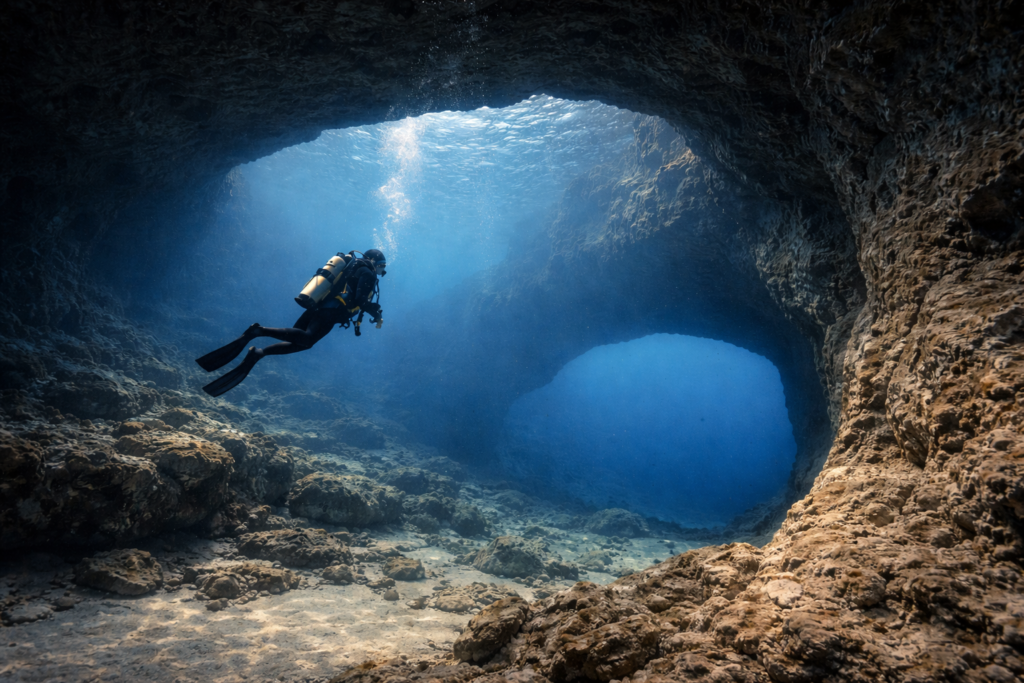
Diving in Gozo is shaped by limestone.
The island’s underwater landscape is filled with arches, swim-throughs, caverns, steep walls, and dramatic geological formations carved by the Mediterranean over thousands of years.
Unlike some larger diving destinations, Gozo still feels relatively calm and accessible. Many major dive sites are reached directly from shore, meaning divers can enter the water without long boat transfers.
The atmosphere also feels slower.
You finish a dive at Dwejra, then sit quietly above the sea while the limestone cliffs begin to glow in late afternoon light.
That rhythm defines much of the Gozo diving experience.
Best Dive Sites in Gozo
Best Scuba Dive Sites in Gozo at a Glance
| Dive Site | Best For | Typical Depth | Level | Access |
| Blue Hole, Dwejra | Arches, limestone walls, iconic Gozo diving | 6–25m+ | Intermediate–Advanced | Shore |
| Inland Sea | Tunnel dives, calm entry, visibility | Up to 30m | Beginner–Intermediate | Shore |
| MV Karwela | Wreck diving, photography | 30–40m | Advanced | Shore |
| Cathedral Cave | Cavern atmosphere, light effects | 15–30m | Intermediate | Shore / Boat |
| Double Arch Reef | Deep reef diving, underwater arches | Variable | Advanced | Shore |
| Xwejni Bay | Relaxed reef dives, training | Variable | Beginner–Intermediate | Shore |
| Wied il-Għasri | Narrow inlet, caves, scenery | Variable | Intermediate | Shore |
| Xlendi Bay | Training dives, night diving | Variable | Beginner | Shore |
Blue Hole, Dwejra
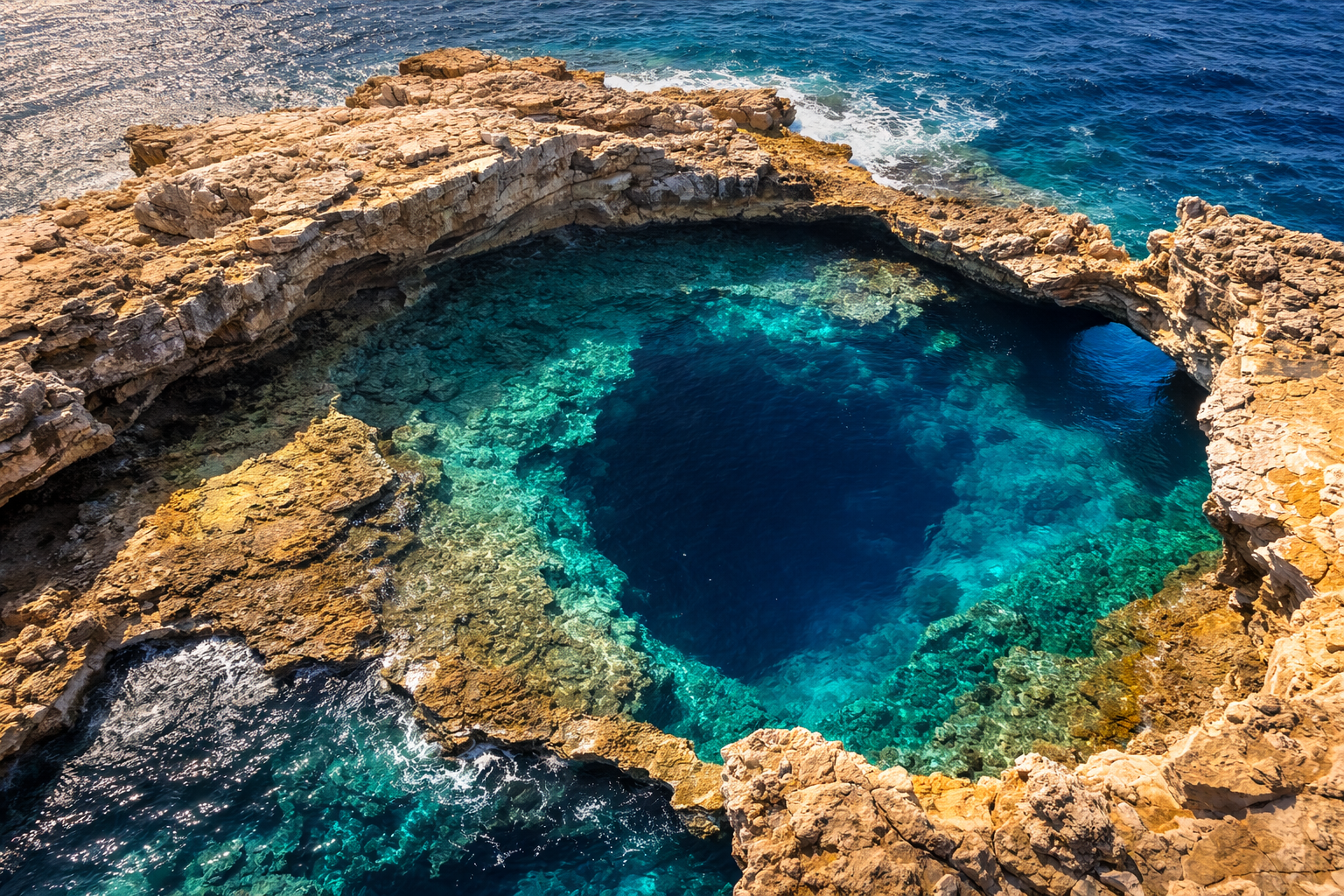
The Blue Hole is Gozo’s most famous dive site and one of the defining underwater locations in Malta.
A natural rock pool leads divers toward open sea through a dramatic limestone arch. Beyond the opening, vertical walls descend into deeper blue water.
Visibility is often excellent, especially during calmer summer conditions.
The surrounding landscape above water is equally striking, particularly around sunset.
Inland Sea
The Inland Sea at Dwejra offers one of the island’s most accessible shore dives.
Divers enter through a sheltered inland lagoon before swimming through a long tunnel that opens suddenly into the open Mediterranean.
The contrast between darkness and blue light creates one of Gozo’s most memorable underwater transitions.
This site is often suitable for beginner and intermediate divers depending on sea conditions.
MV Karwela Wreck
The MV Karwela is one of the most photographed wreck dives in Gozo.
Located near Xatt l-Aħmar, the intentionally scuttled passenger ferry now sits upright on the seabed and has become an artificial reef covered in marine growth.
The staircase descending into the wreck has become particularly iconic within underwater photography.
Gozo wrecks such as the MV Karwela and MV Cominoland are among the island’s most recognisable scuba diving sites.
Cathedral Cave
Cathedral Cave is known for its large underwater cavern and soft blue light reflections.
The chamber itself feels surprisingly open, with air space above the waterline and shimmering light patterns across the cave ceiling.
Divers often combine Cathedral Cave with nearby reef or wall dives around Dwejra.
Double Arch Reef
Double Arch Reef near Dwejra is one of the more dramatic underwater formations in Gozo.
The site is known for twin limestone arches, deeper wall sections, and strong blue-water visibility. Conditions are usually better suited to experienced divers because of depth and exposure.
Xwejni Bay
Xwejni Bay is one of Gozo’s more accessible shore-diving areas, particularly useful for relaxed dives, training sessions, and days when northern conditions are calmer than the west coast.
The surrounding reef system and rocky seabed create a quieter alternative to Dwejra.
Wied il-Għasri
Wied il-Għasri is a narrow sea inlet on Gozo’s north coast, approached between high limestone cliffs.
Underwater, the site offers caves, crevices, rock formations, and dramatic contrasts between shadow and blue water.
The setting feels quieter and more enclosed than larger dive sites.
Xlendi Bay
Xlendi Bay is commonly used for training dives, beginner diving, and night dives.
While less dramatic than Dwejra, it remains accessible and practical, particularly for newer divers building confidence underwater.
Shore Diving in Gozo
One reason scuba diving in Gozo is so popular is the island’s strong shore-diving culture.
Many major dive sites in Gozo can be reached directly from land without requiring boat transport.
This creates a more flexible and independent diving experience compared with destinations where diving depends heavily on organised boat trips.
Shore diving in Gozo also allows divers to combine underwater exploration with slower coastal travel across the island.
Some divers also explore quieter coastal areas through nearby walking routes and hidden places in Gozo.
Is Gozo Suitable for Beginner Divers?
Yes, Gozo can be suitable for beginner divers, especially with calm conditions and guidance from qualified dive centres.
Many first-time divers begin with sheltered shore-access sites where visibility is strong and entries are relatively manageable.
However, not every dive site in Gozo is beginner-friendly.
Some sites involve depth, surge, tunnels, caverns, or overhead environments that require experience and proper certification.
For slower travel planning, see our guide to the best time to visit Gozo.
Gozo Wreck Diving
Wreck diving has become one of the island’s strongest diving attractions.
Around Xatt l-Aħmar, intentionally scuttled vessels create artificial reefs that now support marine life and underwater photography.
Popular Gozo wreck dives include:
- MV Karwela
- MV Cominoland
- MV Xlendi
These wrecks are generally better suited to advanced divers because of depth and penetration risks.
Best Time for Diving in Gozo
The best time for diving in Gozo is usually between May and October.
During this period, sea temperatures rise, visibility is often strongest, and weather conditions are generally more stable.
September is particularly attractive because the water remains warm while summer crowds begin to ease.
Winter diving remains possible, although sea conditions become more variable and water temperatures drop significantly.
Water Temperature & Visibility
Visibility in Gozo often ranges between 20 and 30 metres, sometimes more during calm summer periods.
Typical water temperatures:
| Season | Water Temperature |
| Winter | 14–16°C |
| Spring | 17–20°C |
| Summer | 24–27°C |
| Autumn | 22–25°C |
These relatively clear conditions are one reason Gozo island diving attracts underwater photographers throughout the year.
Gozo vs Malta for Diving
While both islands offer strong Mediterranean diving, Gozo generally feels quieter, darker, and more nature-focused underwater.
Malta offers more urban infrastructure and larger dive-centre density, while Gozo tends to provide more relaxed shore diving and less crowded coastal scenery.
Many divers combine both islands during a longer Malta diving trip, but Gozo often becomes the highlight.
Safety, Certification & Dive Centres
Gozo has experienced PADI and SSI dive centres operating throughout the year.
Beginners should always dive with qualified instructors, while certified divers should select dive sites that match their experience and comfort level.
Conditions around Gozo can change quickly depending on wind and swell direction.
For this reason, local dive centres usually choose sites daily based on visibility, currents, and sea state.
Dive Centres in Gozo
Several professional dive centres operate across Gozo, offering equipment rental, guided dives, PADI courses, SSI certifications and technical diving support.
Popular areas for dive centres include:
- Marsalforn
- Xlendi
- Victoria
- Mġarr Harbour
Many centres provide beginner experiences, Open Water certification courses and guided visits to famous Gozo dive sites such as the Blue Hole, Inland Sea and MV Karwela wreck.
Scuba Diving Courses in Gozo
Gozo is a popular location for learning to dive. Calm conditions during summer and excellent visibility make the island suitable for training and certification.
Common courses include:
- Discover Scuba Diving
- PADI Open Water Diver
- Advanced Open Water Diver
- Rescue Diver
- Nitrox Courses
- Technical Diving Courses
Many visitors combine a diving holiday in Gozo with certification training due to the island’s compact size and easy access to multiple dive sites.
Practical Tips for Planning a Gozo Diving Trip
- Stay at least two nights if possible
- Conditions may vary between coastlines
- A rental car or dive transfer is useful
- Shore entries can involve uneven limestone terrain
- Early morning conditions are often calmer
- Bring reef-safe sunscreen and hydration during summer
- Spring and autumn usually feel quieter than peak August
Many divers combine Dwejra with nearby coastal walks, sunset viewpoints, or slower island itineraries beyond the dive sites themselves.
Most visitors reach the island via the Gozo ferry or through an airport transfer to Gozo.
Final Note
Diving in Gozo is not only about depth or certification. It is also about atmosphere.
The island combines dramatic underwater geology with quieter landscapes above the surface — cliffs, salt pans, village lights, and open Mediterranean horizons.
You finish a dive, remove your gear, and suddenly the island becomes silent again. That contrast is part of why scuba diving in Gozo feels so memorable.
New to Gozo?
Whether you’re visiting for a day or staying for a week, our complete island guide covers the best beaches, villages, scenic walks, cultural events and travel essentials to help you make the most of your time on Gozo.
Explore Gozo MaltaFAQs – Diving in Gozo
Is Gozo good for scuba diving?
Yes. Gozo is one of the most rewarding scuba diving destinations in the Mediterranean, known for clear water, limestone formations, wrecks, caves, and shore-access dive sites.
What is the most famous dive site in Gozo?
The Blue Hole at Dwejra Bay is the island’s most famous dive site thanks to its underwater arch, vertical walls, and dramatic open-water access.
Is Gozo good for shore diving?
Yes. Many of the island’s main dive sites can be reached directly from shore without requiring a boat trip.
Can beginners dive in Gozo?
Yes, although beginners should dive with qualified instructors and select calmer sites suitable for entry-level experience.
What is the best month for diving in Gozo?
September is often considered one of the best months for diving in Gozo because the sea remains warm while summer crowds become lighter.
Can you dive the Blue Hole in Gozo as a beginner?
The Blue Hole is usually better suited to certified divers with some experience. Beginners should follow local dive-centre advice and choose conditions carefully.
Is Gozo better than Malta for diving?
Many divers consider Gozo better for diving because of its darker blue water, quieter atmosphere, shore-access dive sites, and lower coastal development.
Are there wreck dives in Gozo?
Yes. Popular wreck dives in Gozo include the MV Karwela, MV Cominoland, and MV Xlendi near Xatt l-Aħmar.