Gozo, Malta
Slower, smaller, and shaped by the sea
A practical, research-based guide to Gozo — villages, coastline, festas, and the everyday rhythm that makes the island different from Malta.
Gozo is Malta’s smaller sister island, known for its limestone villages, beaches and coves, dramatic coastline, historic sites and traditional festas. This independent Gozo travel guide helps you discover the best things to do, places to visit and practical information for planning your trip.
Only a short ferry journey from Malta, Gozo has a character of its own. Explore beaches such as Ramla Bay and Hondoq ir-Rummien, walk the coast around Dwejra, discover Victoria and the Citadel, or slow down in villages where agriculture, local traditions and the festa calendar still shape everyday life.
Gozo-Malta.com is an independent destination website created to help visitors explore the island beyond the obvious. Our guides combine practical travel information with local context on Gozo’s beaches, villages, historic sites, outdoor activities, events and everyday island life.
Right now on Gozo
Seasonal events, travel updates and useful planning links for your Gozo trip.
Discover opera in Gozo
Explore Gozo’s opera scene, with performances at Victoria’s two opera houses and practical tips for planning your visit.
New ferry routes
Fast ferries now run from Sliema and Buġibba, not just Valletta and Ċirkewwa.
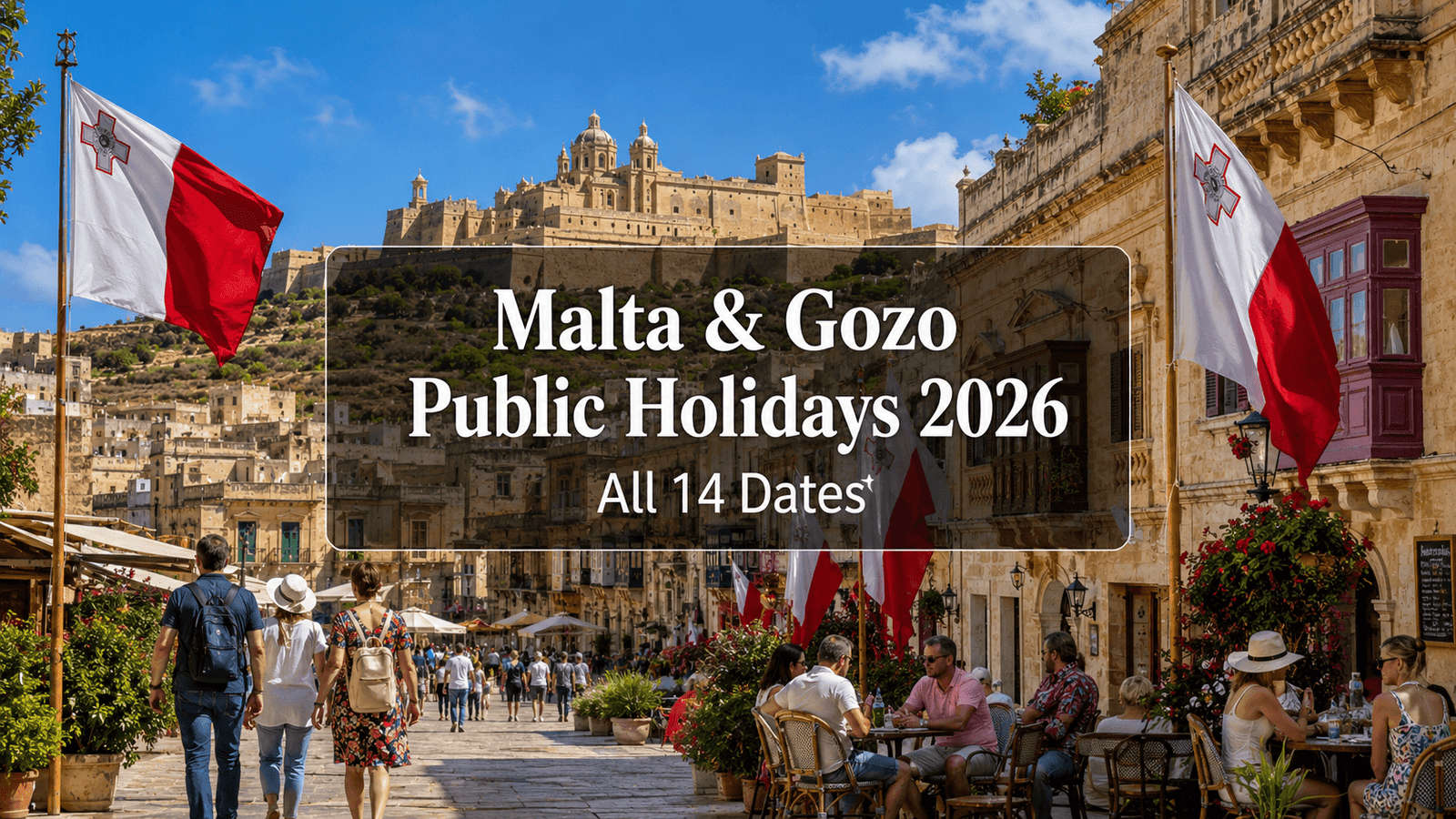
2026 public holidays
All 14 Malta & Gozo holidays, with what actually happens locally on each one.
Explore Gozo
Gozo combines historic villages, coastal scenery and everyday island life within a surprisingly small area. From the fortified Citadel in Victoria to the cliffs and natural landmarks of Dwejra, each part of the island offers a different reason to explore.
Whether you are planning your first trip to Gozo or returning for a longer stay, these are some of the island’s most interesting places to visit.
Victoria (Rabat)
Victoria is Gozo’s capital and the island’s main hub for shopping, transport and everyday life. At its heart stands the historic Citadel, surrounded by narrow streets, cafés, churches and traditional limestone buildings
Dwejra
On Gozo’s western coast, Dwejra is one of the island’s most distinctive landscapes. The area is known for dramatic limestone formations, the Inland Sea, the Blue Hole and some of Gozo’s best-known diving locations.
Xlendi
Xlendi is a small coastal bay framed by steep limestone cliffs. The village combines swimming and snorkelling with waterfront restaurants, sunset views and access to coastal walking routes.
Marsalforn
Marsalforn is one of Gozo’s main seaside communities and a popular base for longer stays. Its waterfront, restaurants, swimming spots and diving centres make it particularly convenient for visitors who want to stay close to the sea.
Ramla Bay
Ramla Bay is Gozo’s largest sandy beach and one of the island’s most recognisable natural attractions. Its distinctive reddish-golden sand, surrounding countryside and clear water make it a popular place for swimming and a highlight of eastern Gozo.
Nadur
Set above Gozo’s eastern coast, Nadur combines expansive views with a strong village identity. It is a quieter base for exploring eastern Gozo, with Ramla Bay, San Blas Bay and Hondoq ir-Rummien within easy reach.
Experiences and Things to Do in Gozo
Gozo offers far more than sightseeing. Many of the best things to do in Gozo are closely connected to the island’s coastline, countryside, villages and traditions, from swimming and diving to hiking, local food and summer festas.
Beaches
From the reddish-golden sand of Ramla Bay to smaller coves such as San Blas and Hondoq ir-Rummien, Gozo has beaches and swimming spots for everything from relaxed beach days to snorkelling and quieter coastal escapes.
Scuba Diving
Clear Mediterranean water, shore-access dive sites, caves and dramatic underwater geology have made Gozo a popular diving destination. Well-known sites include the Blue Hole at Dwejra, while experienced divers can explore reefs, wrecks and underwater caves around the island.
Walking and Hiking
Gozo’s coastal paths, valleys and countryside make walking one of the best ways to experience the island beyond its main attractions. Routes around Dwejra, Wied il-Għasri and the northern coast combine sea views, limestone landscapes and traditional villages.
Village Feasts
From late spring into early autumn, Gozo’s villages celebrate their patron saints with processions, fireworks, decorations and music. These traditional festas remain an important part of local life and are among the most distinctive cultural experiences for summer visitors.
History and Culture
Gozo’s history stretches from prehistoric settlements to fortified towns, churches and traditional villages. The UNESCO-listed Ġgantija Temples, Victoria’s Citadel and historic religious sites across the island provide some of the clearest glimpses into Gozo’s long and layered past.
Food and Local Produce
Traditional Gozitan food reflects the island’s agricultural character, with local cheese, tomatoes, capers, olives, honey and seasonal produce appearing across its cuisine. From ftira to fresh ġbejna, trying local specialities is an easy way to experience another side of Gozo.
Stargazing
Away from the busier villages and coastal resorts, parts of Gozo have relatively dark night skies. Rural western areas are particularly rewarding for stargazing on clear nights, making this an easy experience to combine with a countryside or farmhouse stay.
Snorkelling
Gozo’s rocky coastline and clear water create excellent conditions for snorkelling. Bays and coves such as Hondoq ir-Rummien, Wied il-Għasri and Xlendi offer accessible places to explore the coastline without needing scuba-diving certification.
Is Gozo Worth Visiting?
Yes, Gozo is worth visiting, particularly if you enjoy beaches, coastal scenery, historic villages, hiking, diving and a slower pace of travel. Although the island is easy to visit on a day trip from Malta, staying longer gives you time to experience much more than the main attractions.
Gozo is not defined by one landmark. Its character comes from the combination of limestone villages, countryside, small bays, historic sites and local traditions. During summer, village festas become part of everyday island life, while spring, autumn and winter are particularly rewarding for walking and exploring the countryside.
A day trip can cover several highlights, but two to three days in Gozo is a better starting point for most first-time visitors. Four or five days gives you more time for beaches, coastal walks and quieter places away from the standard sightseeing route.
Planning a Trip to Gozo
Planning a Gozo trip is relatively straightforward once you know how you are getting to the island, where you want to stay and whether you will use public transport or rent a car.
Start with these practical Gozo travel guides:
- Getting to Gozo – ferry routes, crossings and practical arrival information
- Where to Stay in Gozo – compare Victoria, Xlendi, Marsalforn and quieter village bases
- Gozo Itinerary – plan what to see with one, two, three or five days
- Best Time to Visit Gozo – weather, seasons and when to plan different activities
- Car Rental in Gozo – when a car is useful and what to consider before renting
- Malta Airport to Gozo – transport options for reaching Gozo after your flight
- Gozo Beaches – sandy beaches, swimming spots and quieter coves
- Hiking in Gozo – coastal walks, countryside and hiking routes
- Diving in Gozo – dive sites and practical information for divers
- Gozo Village Feasts – dates and information about traditional festas
- Malta & Gozo Public Holidays – public holidays and useful dates for your trip
If this is your first visit, the three decisions to make first are how many days to spend in Gozo, where to stay and whether you need a car. Once those are decided, the island is small enough to build the rest of your itinerary around beaches, villages and activities that interest you most.
Gozo Through the Seasons
Gozo changes noticeably with the seasons. Summer revolves around beaches, swimming and village festas, while the cooler months bring greener countryside and better conditions for walking and sightseeing. The best season depends largely on what you want to do during your trip.
Spring
Wildflowers appear across the countryside and temperatures stay comfortable for walking — typically the best season for coastal paths without summer heat.
Summer
Beach days, diving and the village festa season dominate — Gozo’s busiest and most social months.
Autumn
The sea stays warm into October while visitor numbers steadily drop — often considered the most balanced time to visit.
Winter
The countryside turns green and the coastline takes on a sharper, more dramatic character. Quiet, but not closed.
Beyond the Attractions
Gozo is more than a collection of beaches and historic sights. It remains a living island where farming still shapes the countryside, fishing is visible in coastal communities and religious traditions continue to play an important role in village life.
Spending time beyond the main attractions reveals another side of Gozo: local markets and cafés, agricultural landscapes, village squares and traditions that change with the seasons. Understanding this everyday rhythm is part of what makes a longer stay on the island different from a quick sightseeing trip.
Latest from Gozo

Frequently Asked Questions About Gozo, Malta
How do I get from Malta to Gozo?
The easiest way to get from Malta to Gozo is by ferry. The Gozo Channel ferry connects Ċirkewwa in northern Malta with Mġarr Harbour in Gozo, with the crossing taking around 25 minutes. Foot passengers can also use fast-ferry services from Valletta. Check current schedules before travelling, especially when planning connections.
How many days do you need in Gozo?
Most visitors need at least two to three days in Gozo to explore the island without rushing. A day trip is enough for a few major sights, but staying longer gives you time for Victoria, Dwejra, Ramla Bay, historic sites, villages and coastal walks. Four or five days works particularly well for a slower Gozo holiday.
Is Gozo worth visiting?
Yes, Gozo is worth visiting for its beaches, dramatic coastline, historic villages, archaeological sites, diving, hiking and traditional festas. The island has a noticeably different atmosphere from Malta’s busier tourist areas, making it especially appealing to travellers who enjoy nature, culture and slower-paced trips rather than nightlife and large resorts.
What are the best things to do in Gozo?
The best things to do in Gozo include exploring Victoria and the Citadel, visiting Ramla Bay and Dwejra, seeing the Ġgantija Temples, swimming and snorkelling in clear coastal waters, hiking along the cliffs and experiencing a traditional village festa. Gozo is also one of Malta’s best-known destinations for scuba diving.
What is the best time to visit Gozo, Malta?
The best time to visit Gozo is generally late spring or early autumn, when temperatures are comfortable for sightseeing, hiking and spending time by the sea. Summer is best for swimming, diving and village festas but is also busier and hotter. Winter is quieter and particularly attractive for countryside walks and sightseeing.
Can you visit Gozo without a car?
Yes, you can visit Gozo without a car. Public buses connect Victoria with Mġarr Harbour and destinations across the island, including Marsalforn, Xlendi, Dwejra and western villages. Victoria is the most practical base for a car-free Gozo trip, although renting a car provides more flexibility for remote beaches, viewpoints and rural areas.
Is Gozo cheaper than Malta?
Gozo can be cheaper than Malta for some accommodation, restaurants and everyday travel costs, particularly outside the peak summer season, but prices vary considerably. Farmhouses and luxury villas can be expensive, while apartments and guesthouses offer more affordable options. Travelling outside July and August usually gives visitors a wider choice of accommodation and prices.
Disclaimer
Gozo-Malta.com is an independent editorial website focused on Gozo. We are not affiliated with any government body, tourism authority, travel agency, tour operator or official destination organisation. Information is provided for general informational purposes and may change over time, so visitors should verify important travel details through official sources where appropriate.
Some pages may contain affiliate links or feature commercial partners. If you make a purchase or booking through certain links, Gozo-Malta.com may earn a commission at no additional cost to you. Any commercial relationships do not influence our editorial content, which is created independently and intended to provide useful destination information for visitors exploring Gozo.