Culture & Tradition
Culture & Tradition reveals Gozo at its most intimate — in candlelit churches, summer festas, artisan workshops and quiet village squares. Here, history is not displayed but lived, woven into everyday rituals and community life.
-
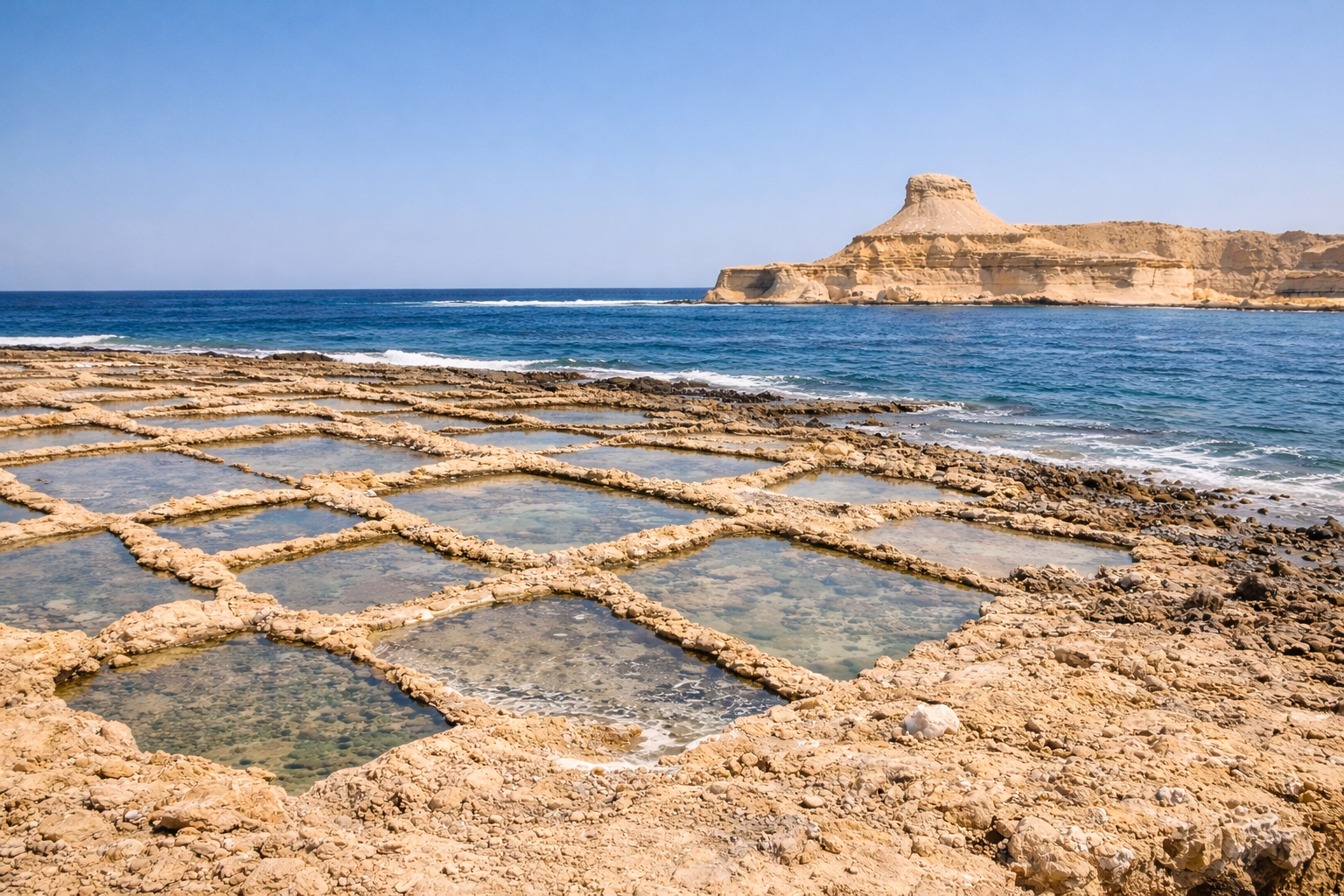
The Gozo Salt Pans in Xwejni — Where Stone Holds the Sea
Along Gozo’s northern shoreline, geometry meets horizon. At first glance, the salt pans near Marsalforn look almost abstract — grids etched into limestone, repeating toward the open Mediterranean. Yet they are not relics of another era. They remain a working coastline. At Xwejni Bay, just beyond Marsalforn, centuries-old salt pans stretch in quiet formation along…
-
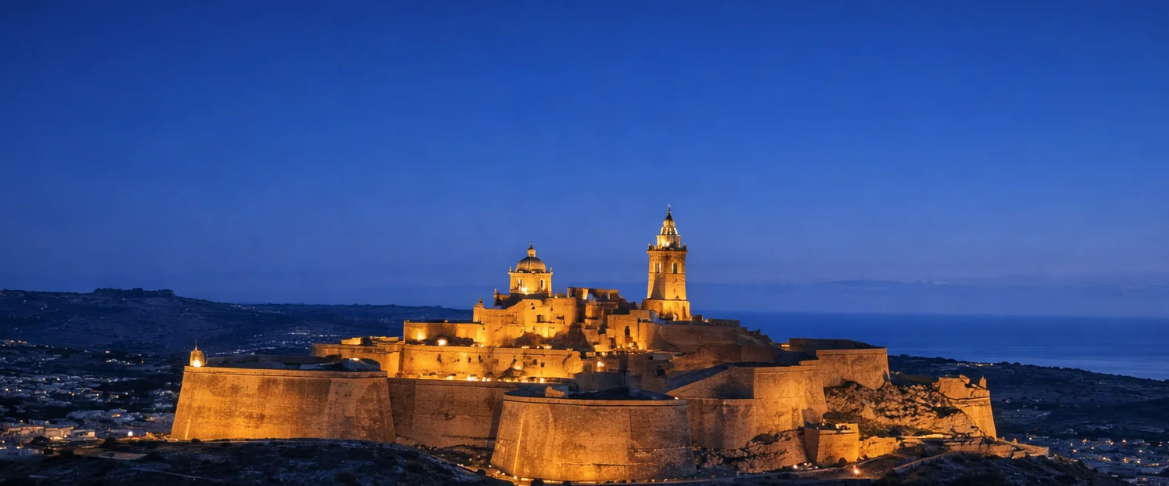
Victoria Gozo & the Citadel: What to See, Tickets & Guide
Explore Victoria, Gozo’s capital, and the historic Citadel overlooking the island. Discover the best things to see, current ticket information, viewpoints, museums and practical tips for your visit.
-
Traditional Gozitan Food: 10 Gozo Dishes Locals Actually Eat
Traditional Gozitan food is rustic, seasonal and closely connected to village life. Discover 10 foods to try in Gozo, including ftira, ġbejna, rabbit, local bread and traditional Maltese favourites.
-
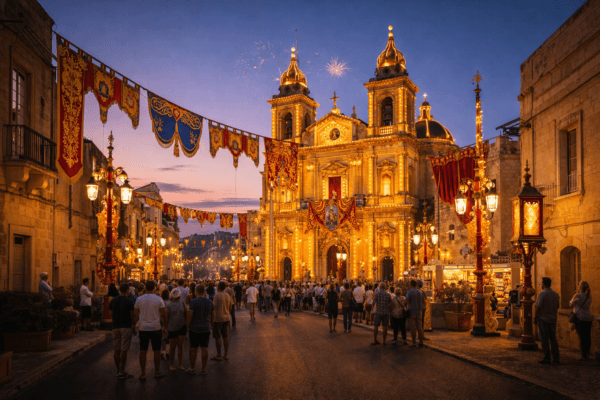
Gozo Festas 2026: Dates, Best Villages & What to Expect
Discover Gozo’s traditional village feasts in 2026. Find festa dates, locations, fireworks, processions and practical tips for experiencing one of Gozo’s most authentic local traditions.