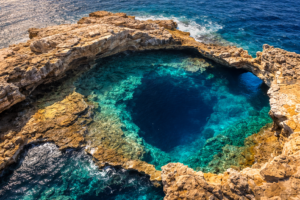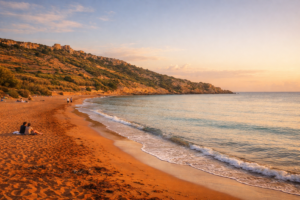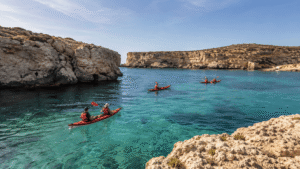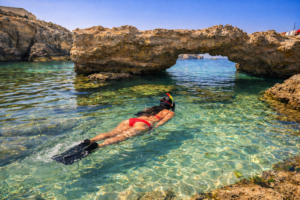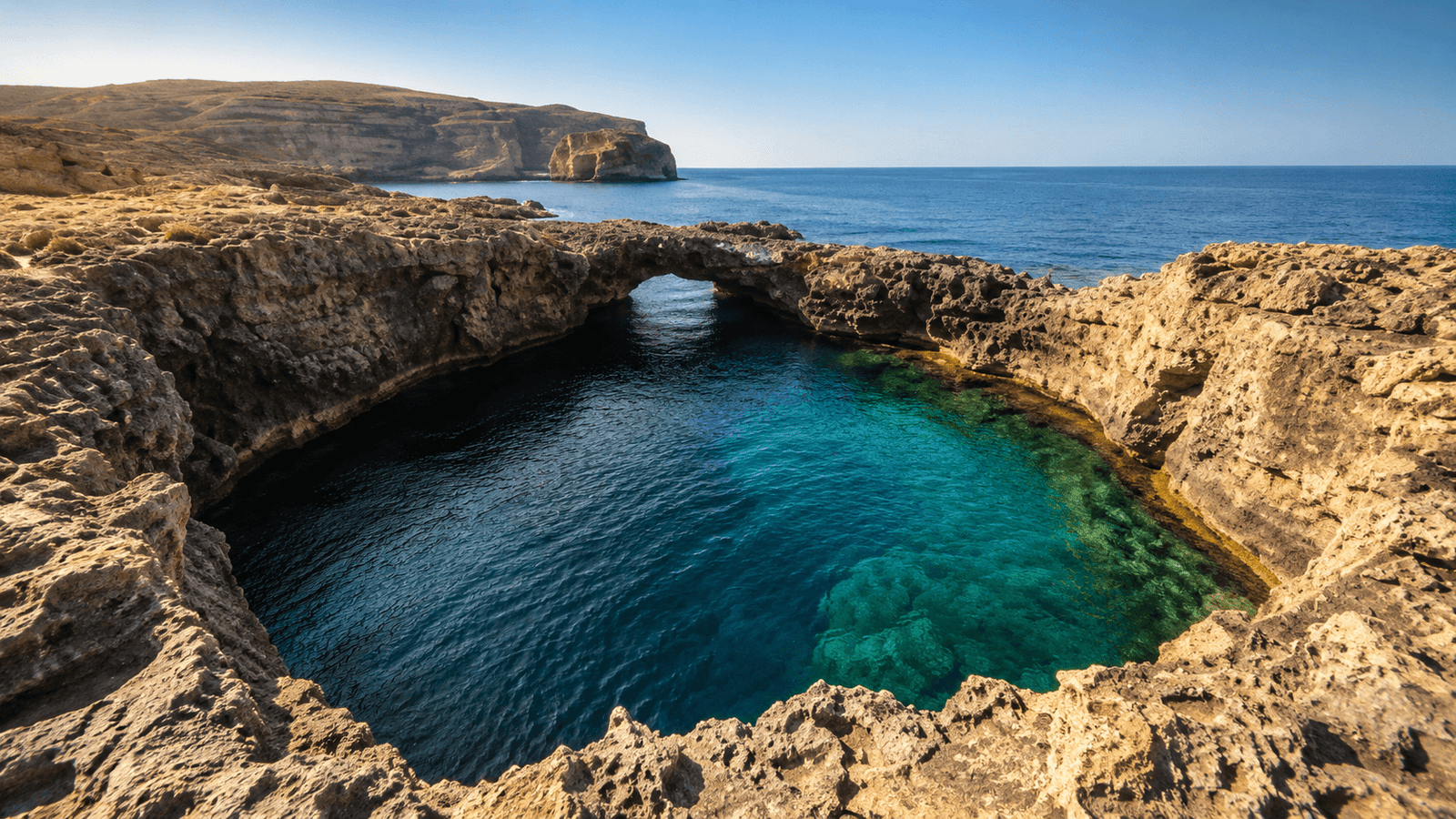
The Blue Hole Gozo is a natural sea pool on Gozo’s west coast at Dwejra. An underwater arch links the pool to the open Mediterranean, creating one of the most photographed and recognised dive sites in Malta.
| Feature | Details |
|---|---|
| Location | Dwejra, Gozo |
| Type | Shore dive |
| Depth | 6–25m+ |
| Visibility | Often 20–30m |
| Level | Beginner to advanced, depending on conditions |
| Famous For | Underwater arch and limestone formations |
The Blue Hole in Gozo, Malta remains one of the most visited locations for scuba diving Gozo.
TL;DR
- Gozo’s most famous dive site
- Located at Dwejra on the west coast
- Known for its underwater arch
- Accessible from shore
- Popular throughout the diving season
The Blue Hole is the signature dive site of Gozo and one of the most recognised underwater landmarks in the Mediterranean.
What Is the Blue Hole?
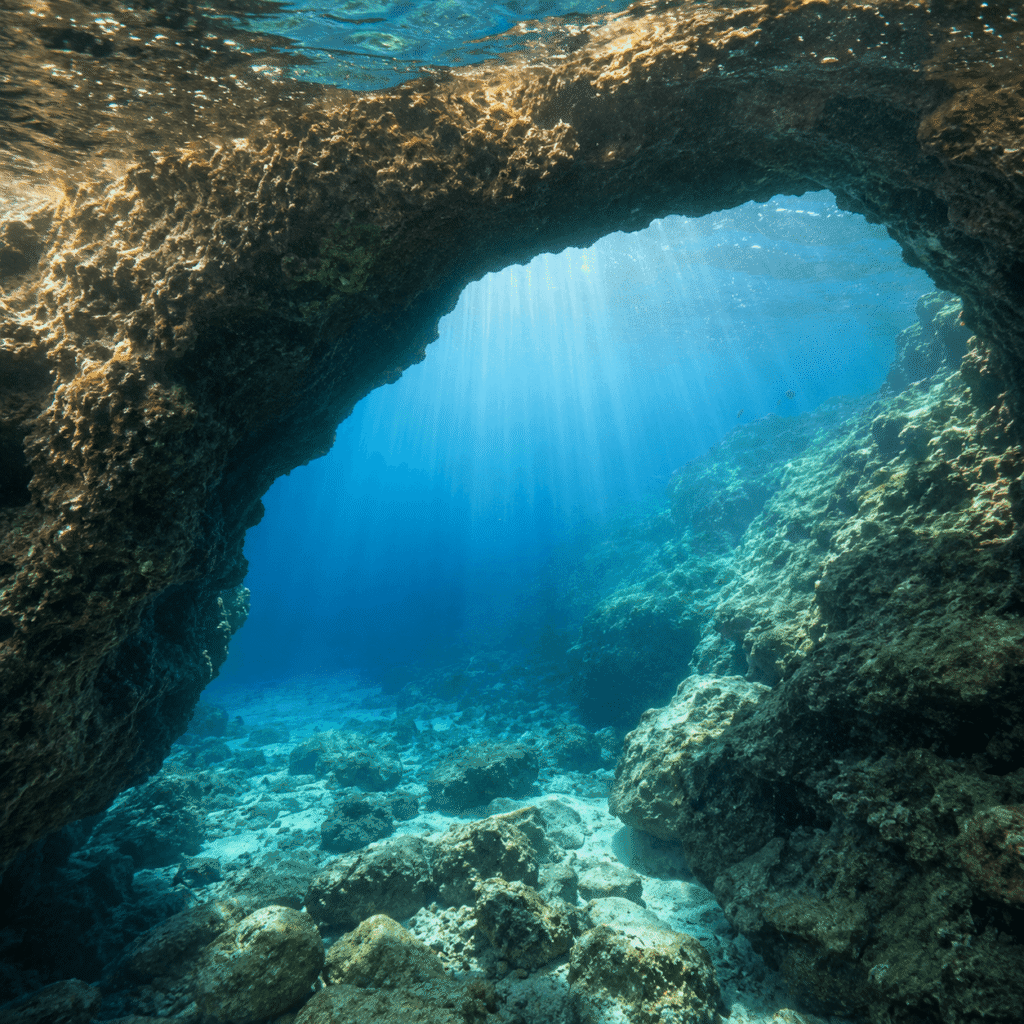
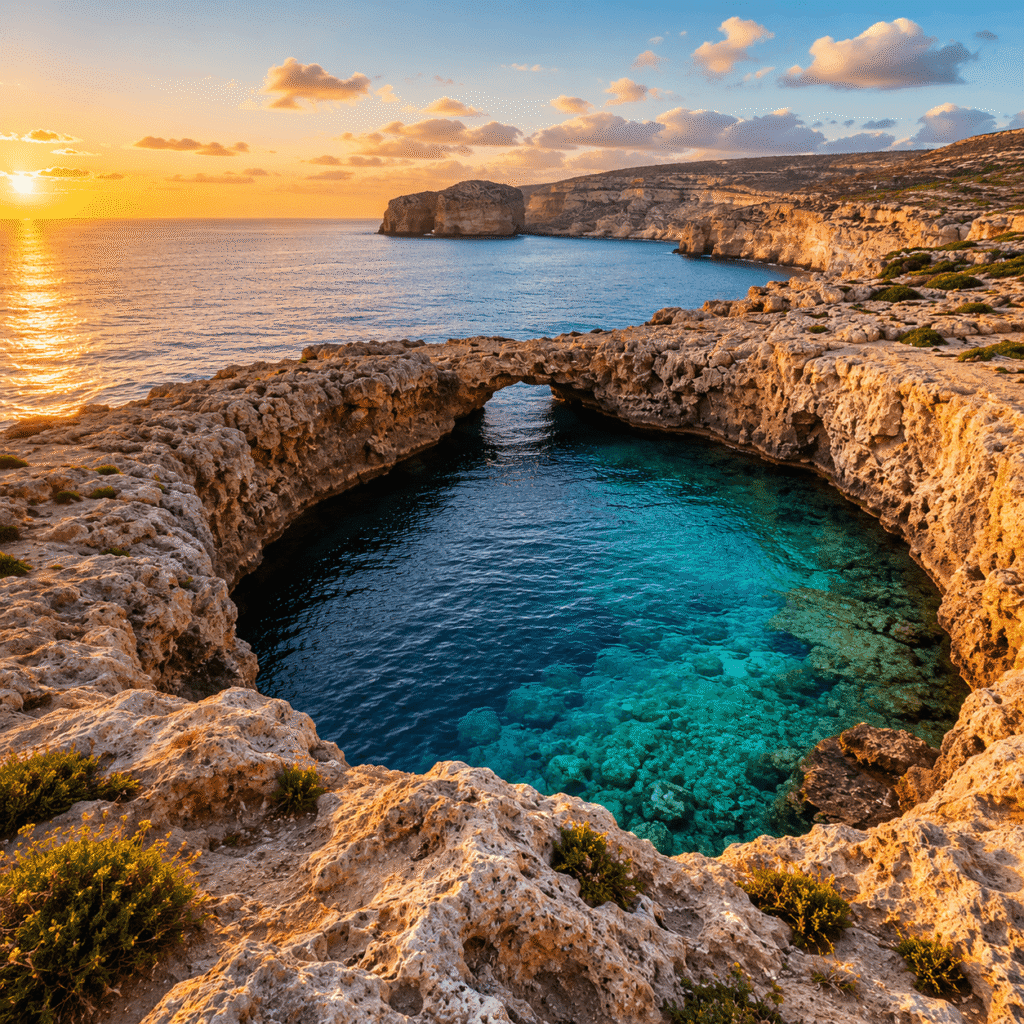
The Blue Hole is a natural opening in the limestone coast at Dwejra Bay. From the surface it appears as a circular pool cut into the rock. Beneath the water, an arch connects the site to the open Mediterranean.
The formation itself is simple. Its reputation comes from the experience it creates. Divers move from sheltered water into open sea through a natural gateway shaped by the coastline.
Where Is the Blue Hole?
The Blue Hole sits within the Dwejra area on Gozo’s western shoreline. The surrounding landscape is shaped by cliffs, exposed rock and open sea views. It is one of the island’s most distinctive coastal settings.
The site lies close to the Inland Sea, another of Gozo’s well-known natural attractions. Many visitors explore both locations during the same visit. The area is also a popular stop for photographers, walkers and sightseers.
Why Is the Blue Hole Famous?
The Blue Hole has become famous because it combines accessibility with a unique underwater landscape. Divers can enter directly from shore and reach one of the island’s most striking formations within minutes.
Unlike many celebrated dive sites around the world, the appeal is easy to understand. The scenery begins above the water and continues below it. The experience feels connected to the wider landscape of Dwejra rather than separate from it.
The Underwater Arch
The arch is the feature most people associate with the Blue Hole. It forms the transition between the sheltered pool and the open sea. Sunlight often passes through the opening and illuminates the surrounding rock.
For many divers, this is the defining moment of the dive. It is also the image most often used when people talk about Gozo dive sites.
The Setting at Dwejra
Dwejra plays an important role in the site’s appeal. The coastline feels rugged and exposed. The landscape is shaped by wind, sea and limestone.
Even visitors with no interest in diving often spend time here. The views are among the most memorable in Gozo. Early morning and late afternoon are particularly atmospheric.
Visibility and Conditions
Visibility is often excellent throughout much of the year. Clear water allows the limestone formations to stand out and gives the site its distinctive appearance.
Conditions can change with weather and sea state. On calm days, the Blue Hole feels remarkably accessible. During rougher periods, entry and exit can become more demanding.
Diving the Blue Hole
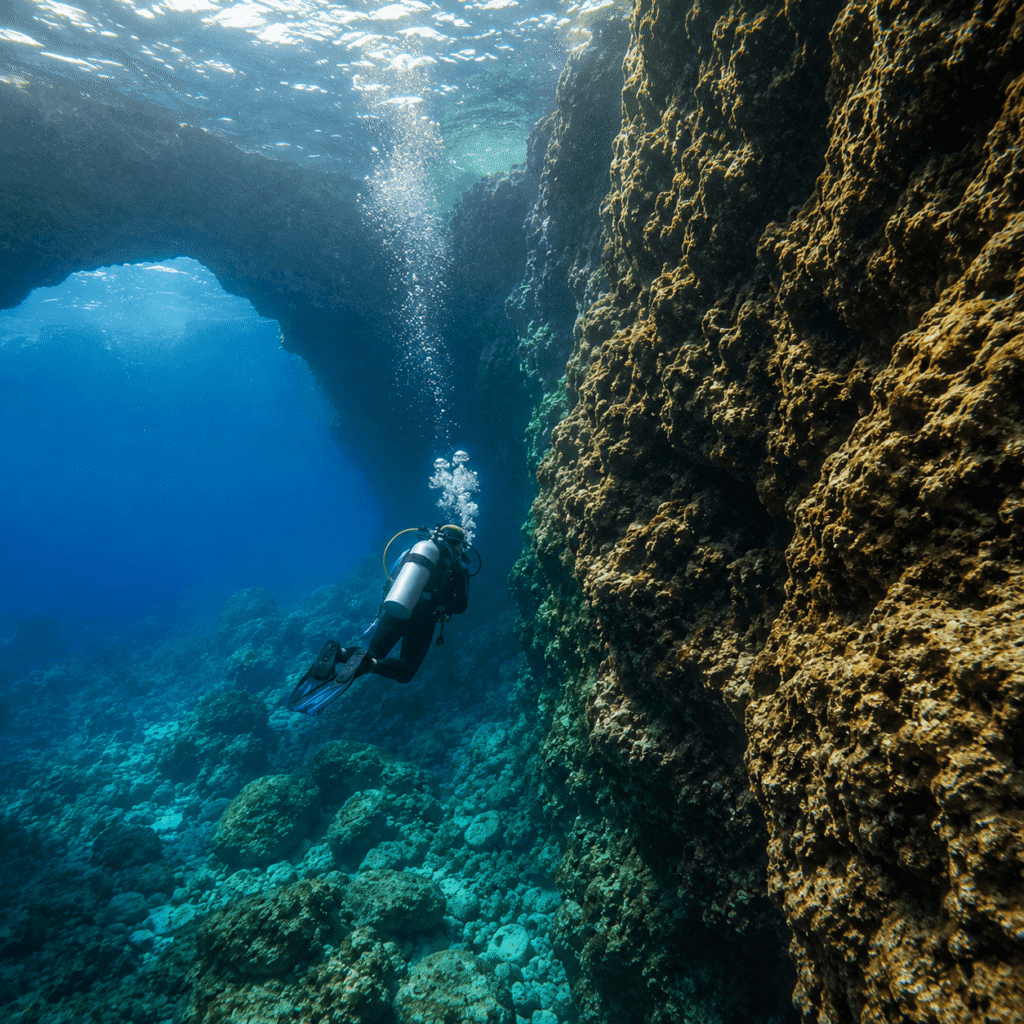
Most dives begin in the natural pool before continuing towards the arch. From there, divers enter the open sea and follow the surrounding wall. Different routes are possible depending on experience, conditions and dive objectives.
The Blue Hole diving site works well as part of a wider exploration of diving in Gozo. Many visitors include the Blue Hole alongside the Inland Sea, Cathedral Cave or other nearby locations.
Typical Depths at the Blue Whole, Gozo
| Area | Approximate Depth |
| Rock Pool | 1m–6m |
| Main Hole | 6m–15m |
| Arch Area | Around 15m |
| Outer Wall | 25m+ |
The variety of depths allows different dive profiles. Some divers remain relatively shallow. Others continue along deeper sections of the wall.
Marine Life
The Blue Hole is better known for geology than large marine life. Even so, divers regularly encounter species common to the Mediterranean.
Sightings may include wrasse, damselfish, bream, octopus and moray eels. The underwater landscape remains the main attraction, but marine life adds another layer to the experience.
Is the Blue Hole Suitable for Beginners?
The answer depends largely on conditions. In calm weather, many Open Water divers enjoy the Blue Hole as part of a guided dive. The layout is straightforward and the main features are accessible.
Conditions are not always the same. Swell can affect both entry and exit points. Local dive centres assess the site daily and determine whether it is suitable for less experienced divers.
Blue Hole Compared With Other Gozo Dive Sites
Every major dive site in Gozo offers something different. The Blue Hole stands out because it combines a distinctive geological feature with easy access from shore.
| Dive Site | Known For |
| Blue Hole | Underwater arch |
| Inland Sea | Tunnel to open sea |
| Cathedral Cave | Light effects |
| Wied il-Għasri | Narrow sea canyon |
| MV Karwela | Wreck diving |
For first-time visitors, the Blue Hole often serves as an introduction to the wider world of scuba diving Gozo.
Best Time to Visit
The Blue Hole can be visited throughout the year, although conditions vary by season. Each period offers a slightly different experience.
Spring brings quieter conditions and improving water temperatures. Summer offers warmer seas and the longest days. Autumn is often associated with excellent visibility and comfortable diving conditions. Winter can be rewarding, although weather becomes a larger factor.
Many experienced divers consider late summer and autumn the most enjoyable period for visiting the site.
Practical Information
The Blue Hole is reached through the Dwejra area on Gozo’s west coast. Most visitors arrive by rental car, taxi or organised dive transport. Parking is available nearby.
Visitors should bring drinking water, sun protection and suitable footwear for walking across limestone rock. Divers should always follow local guidance regarding sea conditions and site access.
Nearby Places to Explore
The Inland Sea is only a short walk away and is often visited together with the Blue Hole. Victoria (Rabat), Gozo’s capital, provides a different perspective on the island through its historic streets and fortified Citadel.
Xlendi offers a contrasting coastal setting, while nearby walking routes reveal more of Gozo’s western landscape. Together, these places help place the Blue Hole within the broader character of the island.
Atmosphere
The Blue Hole is memorable because of its setting as much as the dive itself. Dwejra has a sense of space that is difficult to find elsewhere in Malta. The cliffs feel larger. The sea feels closer.
Many visitors stay after their dive to watch the changing light across the coast. The experience is quiet rather than dramatic. That understated character is part of what makes the area special.
Final Thoughts
The Blue Hole has become the symbol of diving in Gozo for good reason. The site is easy to recognise and easy to understand. A natural arch, clear water and a remarkable setting come together in one location.
For anyone exploring Gozo dive sites, the Blue Hole remains the place where most journeys begin.
Frequently Asked Questions
Why is Blue Hole Gozo famous?
Blue Hole Gozo is famous for its underwater arch and its location at Dwejra. Divers enter through a natural pool before passing into the open Mediterranean. The site combines accessibility, clear water and distinctive geology, which has helped make it one of the best-known locations for diving in Malta and Gozo.
Is Blue Hole Gozo suitable for beginner divers?
Blue Hole Gozo can be suitable for beginner divers when sea conditions are calm and dives are conducted with professional guidance. The site offers accessible depths and a straightforward layout. However, weather and swell can affect conditions, so local dive centres always assess whether the site is appropriate for less experienced divers.
How deep is the Blue Hole Gozo?
The Blue Hole includes both shallow and deeper areas. The natural pool begins at only a few metres in depth, while the arch sits around recreational diving limits. The outer wall extends beyond 25 metres, providing options for a range of experience levels and dive plans.
When is the best time to visit the Blue Hole?
The Blue Hole can be enjoyed throughout the year, but many divers favour late summer and autumn. Water temperatures remain pleasant and visibility is often at its best. Spring is quieter, while winter in Gozo offers dramatic coastal scenery and fewer visitors.